EOL Japan Home

Category

Business Strategy

26 articles

Honor, Obligation, and the Balance Sheet: What Japanese Personal Finance Philosophy Reveals About the Psychology of Debt

Honor, Obligation, and the Balance Sheet: What Japanese Personal Finance Philosophy Reveals About the Psychology of Debt

Japanese attitudes toward borrowing are inseparable from concepts of family reputation, social obligation, and long-term honor—values that American consumer finance has never been designed to accommodate. Understanding these psychological underpinnings offers fintech companies and consumer lenders a rare opportunity to serve a vastly underserved behavioral segment. The lessons from Tokyo's financial culture may be the missing variable in America's mounting debt crisis.

The Anatomy of a Quiet Refusal: A Practical Guide for American Professionals Navigating Japanese Business Rejection

The Anatomy of a Quiet Refusal: A Practical Guide for American Professionals Navigating Japanese Business Rejection

In Japanese business culture, a direct 'no' is considered unnecessarily confrontational—so it is almost never delivered. Instead, Japanese executives communicate disinterest through a nuanced vocabulary of hedged language, strategic silence, and behavioral signals that American negotiators consistently misread as encouragement. Learning to decode these signals accurately is not merely a cultural courtesy; it is a commercial necessity for any American professional operating in the Japanese market

The Brand Buyback: Why Japan's Product Recovery Strategy Is One of the Most Undervalued Competitive Moves in Modern Commerce

The Brand Buyback: Why Japan's Product Recovery Strategy Is One of the Most Undervalued Competitive Moves in Modern Commerce

Japanese manufacturers have long treated the recovery of recalled, defective, or returned products not as a cost center but as a strategic investment in brand equity and supply chain intelligence. As American brands face mounting pressure on consumer trust and product accountability, this disciplined approach to product stewardship offers a compelling and largely untapped model for long-term value creation.

Paying More Today to Spend Less Forever: The Hidden Economics Behind Japan's Warranty Culture

Paying More Today to Spend Less Forever: The Hidden Economics Behind Japan's Warranty Culture

Japan's business model of premium upfront pricing paired with robust warranties and a deeply ingrained repair culture may appear costly at first glance, but the lifetime math tells a different story. For American brands wrestling with disposability and customer churn, Japan's approach to product accountability offers a compelling recalibration of value. Understanding this paradox could redefine how US companies structure pricing, build loyalty, and compete on quality.

After 50 in Japan, the Career Clock Resets: What American Tech Must Learn Before Its Gray Matter Walks Out the Door

After 50 in Japan, the Career Clock Resets: What American Tech Must Learn Before Its Gray Matter Walks Out the Door

Japanese corporations have spent decades building systematic frameworks that transform mid-to-late-career employees into renewed contributors rather than organizational liabilities. As Silicon Valley hemorrhages institutional knowledge through age-driven attrition, Japan's multigenerational workforce model offers a rigorous—and commercially compelling—alternative that American tech leaders can no longer afford to dismiss.

Second Life, First Profit: How Japanese Industry Turns Product End-of-Life Into an Enduring Revenue Engine

Second Life, First Profit: How Japanese Industry Turns Product End-of-Life Into an Enduring Revenue Engine

While American manufacturers typically measure success at the point of sale, Japanese industrial giants have long recognized that a product's commercial life is far from over once it leaves the factory floor. From Toyota's global spare-parts infrastructure to Sony's certified refurbishment programs, Japan has perfected the art of monetizing what US brands routinely discard. This analysis examines the structural principles behind Japan's aftermarket mastery—and the concrete steps American entrepr

Accountability as Brand Capital: What Japanese Crisis Management Teaches American Executives About Winning Back Trust

Accountability as Brand Capital: What Japanese Crisis Management Teaches American Executives About Winning Back Trust

When corporate scandal strikes, American PR instincts often push companies toward legal defensiveness and narrative control—while Japanese firms bow deeply and rebuild from the ground up. The results, measured in long-term brand loyalty and stakeholder trust, frequently favor the Japanese approach. Here is what US executives need to understand before their next crisis hits.

Circularity as Strategy: What Japan's Thriving Resale Economy Reveals About the Next Frontier of American Commerce

Circularity as Strategy: What Japan's Thriving Resale Economy Reveals About the Next Frontier of American Commerce

Japan has quietly built one of the world's most sophisticated circular commerce ecosystems, turning used electronics, vintage apparel, and pre-owned goods into multi-billion-dollar revenue streams. For American entrepreneurs watching consumer appetite for sustainable alternatives accelerate, the Japanese model offers a detailed blueprint. Understanding how these systems were constructed—and why they endure—may be the most valuable competitive education available today.

Collect Without Burning Bridges: What Japanese Banking Culture Teaches American Fintech About the True Cost of Aggressive Debt Recovery

Collect Without Burning Bridges: What Japanese Banking Culture Teaches American Fintech About the True Cost of Aggressive Debt Recovery

Japan's financial institutions have long operated under a philosophy that treats debt recovery as a relationship management exercise rather than an adversarial confrontation. As American fintech companies double down on automated litigation pipelines and algorithmic enforcement, evidence suggests they are leaving significant recovery value on the table. A closer look at Japanese credit culture reveals a more sustainable—and more profitable—path forward.

Reverse Engineering Profit: How Japan's End-of-Life Business Ecosystems Are Unlocking a $50 Billion Frontier for American Entrepreneurs

Reverse Engineering Profit: How Japan's End-of-Life Business Ecosystems Are Unlocking a $50 Billion Frontier for American Entrepreneurs

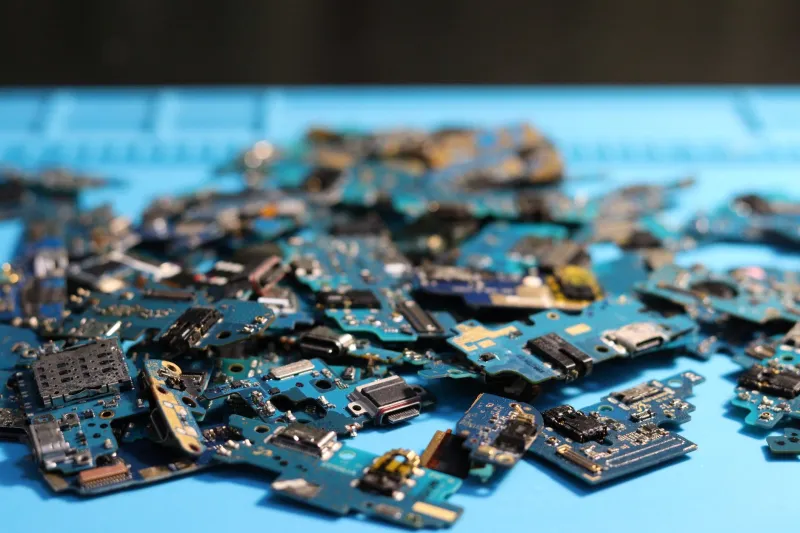
Japanese industry has long treated product obsolescence not as an endpoint but as an entry point—engineering reverse-logistics networks that convert retired goods into recurring revenue. American entrepreneurs willing to study these frameworks stand to access a $50 billion-plus market hiding in plain sight across electronics, industrial equipment, and consumer goods. This analysis examines how those models translate to the US competitive landscape.

Patience as a Competitive Weapon: What Japanese Companies Know About Timing the Market That American Rivals Keep Overlooking

Patience as a Competitive Weapon: What Japanese Companies Know About Timing the Market That American Rivals Keep Overlooking

Japanese firms have long treated extended pre-launch observation periods not as inefficiency, but as a form of strategic investment. While American competitors race to capture first-mover advantage, patient Japanese players are quietly building products that endure. Understanding this discipline may be one of the most undervalued lessons available to US business leaders today.

Silence, Deliberation, and the Long Game: What Japanese Negotiators Know That American Deal-Makers Are Still Learning

Silence, Deliberation, and the Long Game: What Japanese Negotiators Know That American Deal-Makers Are Still Learning

Japanese firms approach M&A and partnership negotiations with a methodical patience that often unsettles their American counterparts—yet consistently yields more durable outcomes. Understanding the cultural logic behind this deliberate pace, from the concept of ma to multi-generational thinking, can fundamentally change how US executives approach the negotiating table. For American businesses pursuing deals in or with Japan, learning to slow down may be the fastest path to success.

Closing the Loop: How Japanese Manufacturers Turned Product End-of-Life Into a Competitive Advantage—and What US Brands Must Do Next

Closing the Loop: How Japanese Manufacturers Turned Product End-of-Life Into a Competitive Advantage—and What US Brands Must Do Next

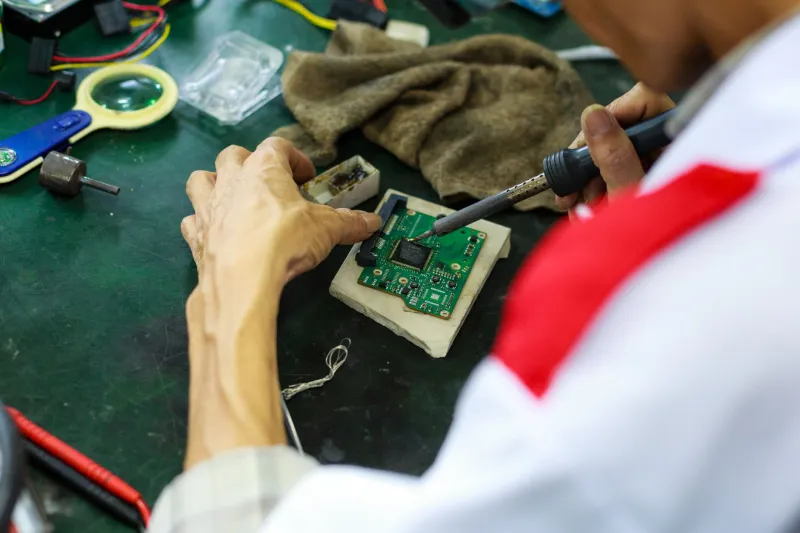
While American companies have long treated product disposal as someone else's problem, Japanese manufacturers have quietly built profitable business models around repair, refurbishment, and responsible end-of-life management. The circular economy is no longer a sustainability talking point—it is a measurable revenue strategy, and Japan wrote the playbook.

Loyalty as Infrastructure: How Japanese Business Culture Builds Customers for Life—and What American Firms Sacrifice by Ignoring It

Loyalty as Infrastructure: How Japanese Business Culture Builds Customers for Life—and What American Firms Sacrifice by Ignoring It

Japanese companies have long treated customer relationships as foundational assets rather than transactional opportunities, a philosophy with deep cultural and economic roots. As American firms face rising customer acquisition costs and declining retention rates, the contrast with Japan's long-horizon approach has never been more instructive. This article examines what separates the two models—and whether a genuine synthesis is possible.

Generations in the Balance: What Japanese Department Stores Know About Customer Loyalty That American Retailers Have Forgotten

Generations in the Balance: What Japanese Department Stores Know About Customer Loyalty That American Retailers Have Forgotten

Mitsukoshi and Takashimaya did not simply sell merchandise—they built institutions that families returned to across generations. As American retailers hemorrhage subscribers and struggle to convert first-time buyers into repeat customers, the relationship-first philosophy embedded in Japan's great department stores offers a compelling and largely untapped blueprint.

Beyond the Purchase Order: How Japanese Supplier Partnerships Are Compressing American Product Development Timelines

Beyond the Purchase Order: How Japanese Supplier Partnerships Are Compressing American Product Development Timelines

A growing number of American companies are discovering that deep, trust-based supplier relationships—long a hallmark of Japanese manufacturing culture—can dramatically shorten product development cycles and improve iteration quality. By moving away from purely transactional sourcing models, US firms are gaining competitive advantages that extend well beyond cost savings into the realm of speed, precision, and collaborative innovation.

Borrowed Precision: How Japanese Quality Philosophies Became the Backbone of American Manufacturing

Borrowed Precision: How Japanese Quality Philosophies Became the Backbone of American Manufacturing

Across factory floors in Ohio, Texas, and Michigan, American manufacturers are operating by a set of principles they rarely trace back to their source. Japanese quality frameworks—from Total Productive Maintenance to root cause analysis—have become so thoroughly embedded in US industrial practice that their origins have, for many, simply faded into the background. Understanding where these methodologies came from, and why they work, may be the most underutilized competitive advantage in American

From the Corner Office in Tokyo to the Pitch Deck in Palo Alto: How Japanese Corporate Veterans Are Reshaping American Tech

A quiet but consequential shift is underway in Silicon Valley and beyond, as seasoned professionals from Japan's largest corporations are trading lifetime employment for the uncertainty—and opportunity—of the American startup ecosystem. These founders bring a rare combination of operational discipline, cross-cultural fluency, and long-term strategic thinking that is proving remarkably effective in a market that often prizes speed over substance. Their early successes are drawing attention from v

Consensus Over Command: How the Japanese Ringi System Is Quietly Transforming Decision-Making in American Boardrooms

A centuries-old Japanese management practice is finding new relevance inside American tech firms and financial institutions seeking to break free from executive bottlenecks. The ringi system—a structured, bottom-up approach to organizational consensus—is being adapted by forward-thinking US companies to accelerate innovation and deepen employee engagement. Here is why this philosophy is gaining traction, and what it means for the future of American corporate culture.

Small Steps, Big Gains: Why American Startups Are Turning to Japan's Kaizen Philosophy to Build Lasting Competitive Edges

A growing number of US entrepreneurs are reaching beyond Silicon Valley's 'move fast and break things' ethos, finding that Japan's kaizen philosophy—rooted in disciplined, incremental improvement—offers a more sustainable path to operational excellence. From lean manufacturing floors in Ohio to agile software teams in Austin, kaizen is quietly reshaping how American companies compete. This article examines how US businesses are adopting these principles and what measurable results they are achie

Between Tradition and Transformation: Japan's Corporate World Navigates the Hybrid Work Era

Japan's major corporations entered the pandemic-driven remote work experiment with considerable structural resistance, yet emerged with a nuanced hybrid model that reflects both hard-won adaptation and deliberate cultural preservation. The resulting approach diverges sharply from the American tech industry's playbook — and in some respects, offers a more sustainable framework for large, complex organizations. US executives and international business professionals working with Japanese counterpar

What American Manufacturers Can Learn from Japan's Obsession with Product Longevity

What American Manufacturers Can Learn from Japan's Obsession with Product Longevity

Japanese manufacturers have long treated the end of a product's life not as a disposal problem but as a strategic inflection point. While many US companies optimize for rapid turnover, firms like Toyota and Sony have built lasting customer loyalty through durability, repairability, and lifecycle stewardship. For American entrepreneurs willing to look east, the lessons are both practical and profitable.